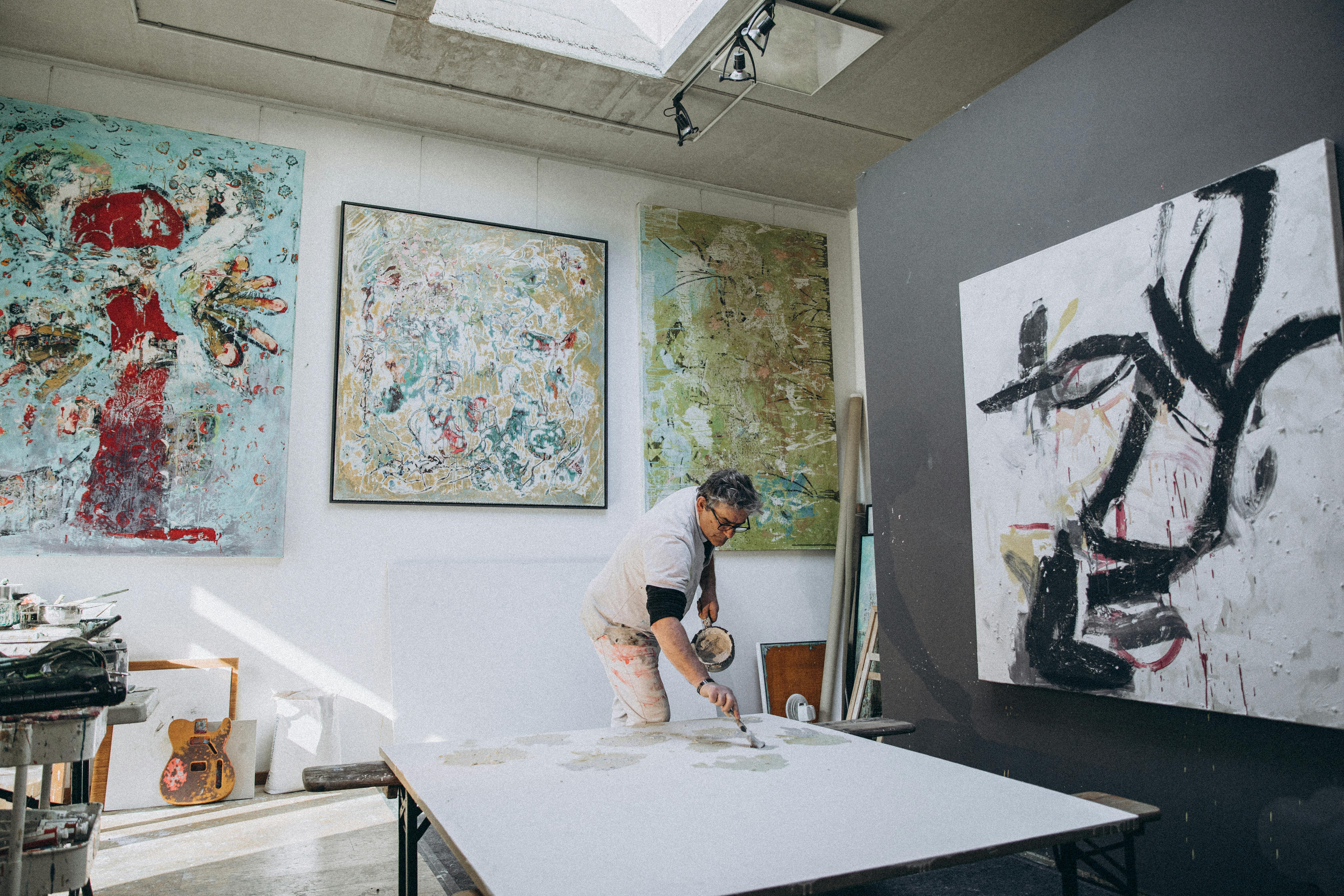
 Photo by Alina Rossoshanska from Pexels
An artist told me she'd been making work professionally for eight years but had never once photographed her studio. Her portfolio showed polished finished pieces against white backgrounds, professionally shot and color-corrected. Beautiful images that looked exactly like every other contemporary artist's portfolio. When a gallery curator asked for studio documentation to accompany her submission, she panicked and shot some iPhone photos that made her workspace look cramped and chaotic rather than creatively productive.
She didn't get the show. The curator later mentioned that without seeing the artist's process, scale of production, or working environment, they couldn't gauge whether she could realistically deliver the body of work required for a solo exhibition. Studio photos aren't just nice-to-have documentation—they're evidence of your professional practice and commitment to your work.
Artist studio photography tells the story behind your finished work. It shows collectors and galleries who you are as a creative person, how you work, what your process involves, and the environment where your ideas become physical pieces. Done well, studio photography humanizes your practice and creates compelling content for everything from social media to grant applications to press features. This guide covers how to approach studio documentation that actually serves your artistic career.
Table of Contents
- Why Studio Photography Actually Matters
- Preparing Your Studio for Photography
- The Essential Shots Every Artist Needs
- Working with a Professional Photographer
- How to Actually Use Studio Photography
- Frequently Asked Questions
Why Studio Photography Actually Matters
Studio photography serves purposes that finished artwork documentation can't address. When collectors view your portfolio, they see polished final products. When they see your studio, they understand the labor, scale, and dedication behind those pieces. Gallery curators evaluate whether you can sustain production for a show. Residency programs assess your working methods and space requirements. Press features need images beyond just the artwork itself. And social media audiences engage more with process content than perfected final pieces.
Studio images answer questions that your artist statement tries to address but photography communicates more effectively: What does your typical workday look like? How much space do you need? What materials and tools define your practice? Do you work on multiple pieces simultaneously or focus on one at a time? Is your process meticulous or expressive? All of this becomes visible through thoughtful studio documentation.
The Professional Credibility Factor
Artists with comprehensive studio documentation signal professionalism in ways that portfolio-only presentations can't match. When you include studio images in gallery submissions, you demonstrate you have dedicated workspace and consistent practice. Grant applications gain credibility when reviewers see actual working conditions rather than just proposed projects. Press inquiries get answered faster when you can immediately provide studio images rather than scrambling to shoot something last-minute.
But perhaps most importantly, studio photography helps you present yourself as a working professional artist rather than a hobbyist. The visual difference between someone who makes art occasionally versus someone with an established practice shows clearly in studio documentation. Collectors and galleries notice this distinction.
Professional Artist Studio Photography
Documentation that tells your creative story and builds your professional brand. Learn about our artist studio sessions
Preparing Your Studio for Photography
The goal isn't creating a fake pristine workspace that doesn't reflect how you actually work. Studio photography should capture authentic creative environments while removing distracting elements that don't contribute to your story.
What to Clean vs. What to Keep
Remove actual clutter—packaging materials, shipping boxes, trash, unrelated personal items, random objects that have nothing to do with art-making. These elements distract rather than contribute to understanding your practice. Clear away anything that makes the space look neglected or unprofessional: dust accumulation on surfaces, old coffee cups, piles of mail or paperwork unrelated to your work.
Keep creative mess that communicates active practice. Paint-splattered floors tell a story. Organized (or organized-chaos) supplies show your tools and materials. Works in progress demonstrate your current focus. Sketches pinned to walls reveal your thinking process. Test pieces or experiments show how you develop ideas. The difference between productive creative mess and distracting clutter is whether elements connect to your artistic practice or just happen to occupy space in your studio.
Lighting Considerations
Natural light creates beautiful studio photos, but you can't always control when photography happens. If your studio has windows, consider scheduling sessions during optimal natural light hours—typically mid-morning or mid-afternoon when light is strong but not harsh. Note which direction your windows face and how light moves through the space throughout the day.
If your studio has limited natural light or you work primarily at night, embrace that as part of your story. Studios lit by work lamps and overhead lighting have their own atmosphere. Professional photographers can work with any lighting situation, but knowing your space's light patterns helps planning. Don't try to drastically change your normal working light just for photography—authentic conditions matter more than ideal conditions.
 Authentic studio environments with visible supplies and works in progress tell stronger stories than sanitized spaces—embrace the organized chaos of active creative practice | Photo by Kate Andreeshcheva from Pexels
Arranging Your Space
Think about sight lines and what the camera will see from different angles. Wall space behind your working area becomes backdrop in many shots—consider what's visible there and whether it reinforces or distracts from your story. If you have limited space, identify two or three distinct areas to photograph: primary work surface, materials/storage area, and perhaps a corner showing finished or in-progress pieces.
Avoid over-staging your workspace to look like a magazine spread. Real working studios have functional arrangements, not decorative ones. Your easel or work table should be positioned where you actually use it, tools should be where you normally keep them, and the overall setup should reflect genuine working conditions. Photographers can work with authentic arrangements far better than forced artificial setups that don't look believable.
The Essential Shots Every Artist Needs
Comprehensive studio documentation requires multiple shot types that work together to tell your complete story. Missing any category limits how you can use the images later.
The Wide Establishing Shot
Wide shots show your complete workspace from corner or doorway perspectives. These images communicate studio size, layout, and overall atmosphere. They answer questions about your working conditions—do you have a dedicated studio or shared space? Is your environment minimal and organized or dense with materials and inspiration? Natural light or artificial? Open and airy or intimate and focused?
Wide establishing shots work for website about pages, press features introducing you and your practice, grant applications showing working conditions, and social media posts giving followers studio tours. Shoot from multiple angles to capture different perspectives of the space. Even small studios can look substantial when photographed thoughtfully from corners that maximize visible area.
The Working Artist Portrait
Images of you actually engaged in your process communicate more than static portraits in front of finished work. Working shots show you painting, sculpting, assembling, sketching, or whatever your practice involves. These images should look natural rather than obviously posed—professional photographers capture you mid-process rather than staring at the camera.
Wear what you normally work in. If you paint in a specific apron or work clothes, wear those. If you typically work in casual comfortable clothing, that's fine. The goal is recognizable authentic you, not a costume version of "artist at work." Focus on your process rather than the camera—let the photographer capture you engaged in actual work rather than performing for the lens.
Detail Shots That Tell Process Stories
Close-up images of tools, materials, works in progress, and technique details provide versatile content for various uses. Detail shots of paint palettes, brush collections, specialized tools, material storage, texture close-ups, and work-in-progress sections give viewers intimate access to your practice without requiring full studio context.
These images work beautifully for social media posts, website gallery sections showing process, press materials when publications need variety beyond finished work, and educational content explaining your techniques. Detail shots also work when you need imagery but don't want to reveal complete works before they're finished or exhibited.
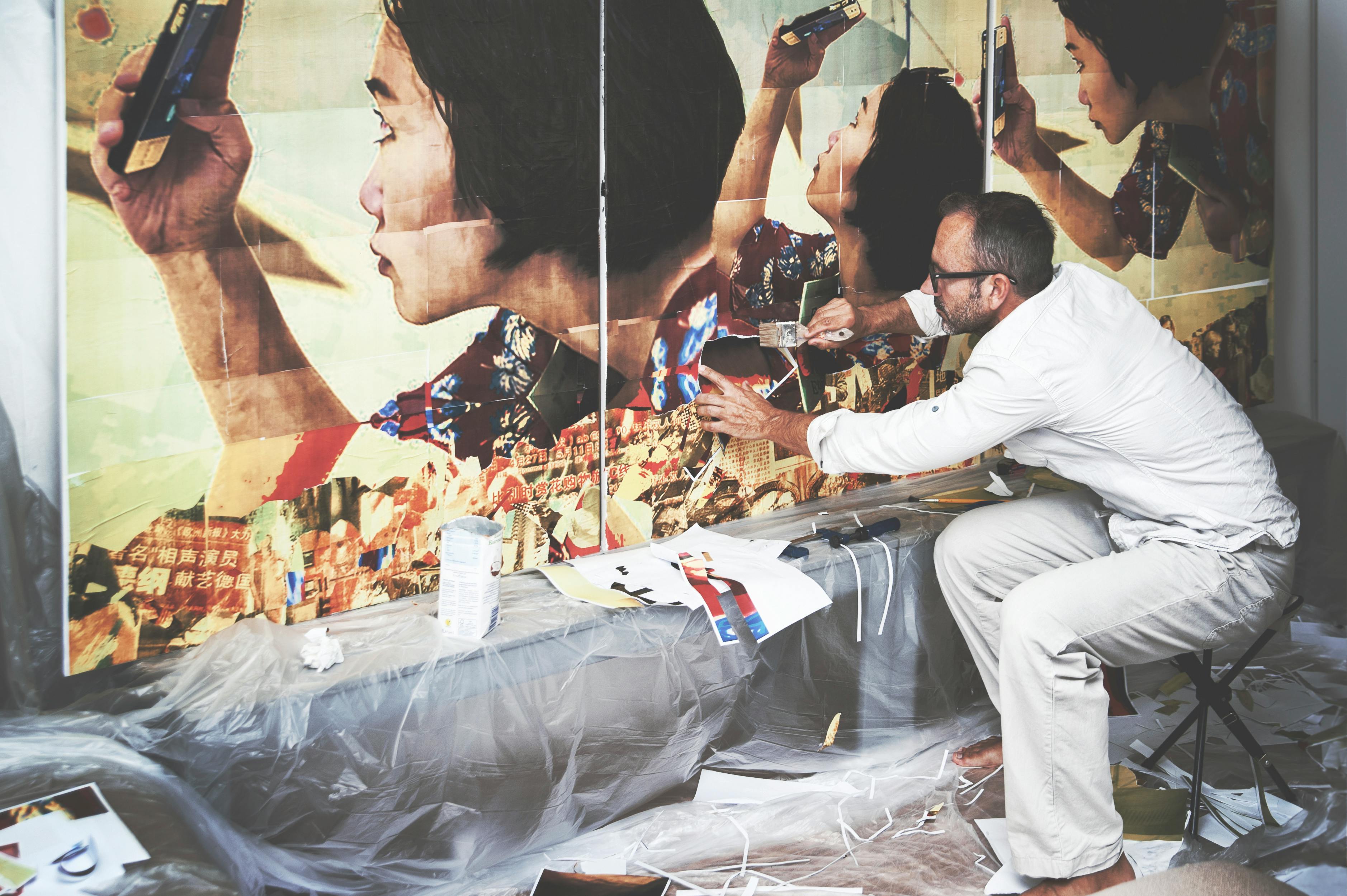 Documenting large-scale works and installation processes shows the physical scale and ambition of your practice—essential for gallery and residency applications | Photo by mali maeder from Pexels
Environmental Portraits
In addition to working shots, you need clean environmental portraits—you in your studio, but posed and composed rather than captured mid-process. These portraits work for formal purposes: headshots for exhibition catalogs, about page primary images, grant application photo requirements, and press materials where publications want polished professional images.
Environmental portraits should include your workspace in background context but feature you as the primary subject. They're more formal than working shots but more interesting than standard headshots because they include your creative environment. These images bridge professional presentation with artistic identity.
Working with a Professional Photographer
While smartphone documentation works for casual social media, professional studio photography serves career purposes that require higher quality execution and thoughtful creative direction.
What to Communicate Before the Session
Professional photographers need context about your practice and how you plan to use images. Share information about: your artistic medium and typical process, what you're currently working on, how you normally arrange and use your space, specific elements you want highlighted (particular tools, materials, techniques), and where you plan to use the photos (gallery submissions, grants, website, social media, press materials).
The more context photographers have, the better they can anticipate useful shots and angles. If you're preparing for a specific application with image requirements, mention those. If you need variety for different purposes, communicate that. Photographers can't read minds—clear communication about your needs ensures you get usable documentation rather than beautiful images that don't actually serve your goals.
Typical Session Flow
Professional studio sessions usually follow a pattern: photographer arrives, walks through your space, discusses light and sight lines, takes establishing wide shots of the empty or arranged studio, moves to detail shots of materials and tools, captures you working on actual pieces or demonstrating process, and finishes with environmental portraits in different areas of the studio.
Sessions typically run 1-3 hours depending on package and studio size. Smaller focused sessions concentrate on essential coverage. Longer sessions allow multiple setups, outfit changes, and extensive detail documentation. Most artists find 2-hour sessions provide comprehensive coverage without feeling rushed or exhausting.
Direction vs. Documentation
Good photographers balance documentary approach (capturing authentic conditions) with art direction (positioning you and elements for strongest composition). You'll receive some direction—"turn slightly this way," "hold that tool naturally," "look at your work instead of the camera"—but professional direction should enhance authenticity rather than create artificial poses.
If something feels awkward or unnatural, speak up. Photographers want natural-looking results as much as you do, and they can't tell from behind the camera whether a position feels forced. Collaborative communication produces better results than silently tolerating uncomfortable poses that will look stiff in final images.
How to Actually Use Studio Photography
The value of studio photography comes from strategic deployment across all platforms and purposes where you present yourself professionally. Comprehensive documentation provides content for years if you use it thoughtfully.
Website and Portfolio Integration
Your website about page gains credibility with studio images showing who you are and where you work. Process pages or blog sections can feature detail shots and working images with captions explaining techniques. Artist statement pages become more engaging when text accompanies relevant studio imagery. And portfolio presentation strengthens when viewers can navigate between finished work documentation and process photography showing how pieces develop.
Don't silo studio photography into a separate "studio" page nobody visits. Integrate these images throughout your site wherever they add context and human connection to your practice.
Social Media Content Strategy
Studio photography provides months of social media content when used strategically. Working shots answer "what are you working on now?" posts. Detail images showcase techniques or materials with educational captions. Wide shots give followers studio tours or show seasonal studio changes. Environmental portraits work for professional introduction posts or announcements about exhibitions and opportunities.
Spread usage over time rather than posting everything immediately after your session. One professional studio shoot can provide weekly content for 3-6 months when combined with your regular practice documentation. This approach maintains professional aesthetic while showing ongoing studio presence.
Gallery Submissions and Applications
Gallery submission packages improve significantly with studio documentation included. When galleries receive identical polished portfolio images from dozens of artists, studio photos distinguish your submission by showing your working conditions, dedication to practice, and production capacity. Include 2-3 studio images with submissions even if not explicitly requested—they provide context that strengthens your application.
Grant applications often require or benefit from process documentation. Studio photos demonstrate you have dedicated workspace and established practice. Residency applications need studio images to show your typical working requirements and spatial needs. Fellowship reviews assess commitment level—comprehensive studio documentation signals serious professional practice.
Press and Media Opportunities
When press opportunities arise, having studio photography immediately available accelerates publication timelines. Magazines and online features love studio photos because they provide variety beyond just showing finished work. Profile pieces typically request artist portraits and workspace images. Exhibition previews gain depth with studio shots showing works in progress before installation.
Maintaining a press kit folder with high-resolution studio images (along with artwork documentation and headshots) means you can respond immediately when opportunities arise rather than scrambling to photograph your studio on deadline.
Document Your Creative Practice
Professional studio photography sessions for NYC artists. Schedule your studio documentation session
Frequently Asked Questions
Why is artist studio photography important for building your brand?
Studio photography humanizes your artistic practice by showing the person and process behind finished work. Collectors and galleries want to connect with artists as people, not just view completed pieces. Studio images provide content for artist statements, grant applications, gallery submissions, press features, and social media that demonstrates your commitment and professionalism. They show your workspace, tools, scale of production, and creative environment—all elements that build credibility and interest. Artists with strong studio documentation often see higher engagement on social media and more serious inquiries from collectors who feel they understand the artist's practice. The visual difference between artists with comprehensive documentation versus portfolio-only presentation signals professional dedication versus casual hobbyist approach.
How much does professional artist studio photography cost?
Professional artist studio photography in NYC typically costs $400-1,200 for a complete session. Basic packages ($400-600) include 1-2 hours on-site coverage, 20-40 edited images of workspace and artist at work, and standard delivery within one week. Comprehensive packages ($800-1,200) include 2-4 hours coverage, multiple setups and angles, 50-100 edited images including workspace shots and environmental portraits, detail documentation of process and materials, and faster turnaround. Location matters—Brooklyn or Queens studio visits may include travel time charges. Some photographers offer mini-sessions (30-60 minutes, 10-20 images, $200-400) specifically for artists needing fresh social media content without full documentation sessions. Investment pays back through years of professional use across multiple platforms and applications.
Should I clean my studio before a photography session?
Clean selectively rather than completely sanitizing your space. Remove actual clutter (trash, packaging, unrelated items) but keep creative mess that tells your story. Paint-splattered floors, organized supplies, works in progress, and tool arrangements all communicate authentic artistic practice. Studio photography should show your real working environment, not a staged showroom. Focus on clearing distracting elements like personal items unrelated to art-making, excessive packaging materials, old coffee cups or food containers, or anything that draws attention away from your work and process. The goal is authentic but intentional—your space should look actively used without appearing chaotic or unprofessional. When in doubt, ask your photographer for guidance—they can advise on what reads as creative environment versus distracting mess.
What should I wear for artist studio photography?
Wear what you actually work in, with slight refinement for professional presentation. If you typically paint in a specific apron or work clothes, wear those—they're part of your authentic practice. Avoid overly casual loungewear or clothing with large logos unless that's genuinely your studio uniform. Choose solid colors or subtle patterns that don't compete with your artwork for visual attention. If your practice involves getting messy, embrace that—paint-stained clothes communicate active working process. Bring a clean backup outfit in case you want variety between messy work shots and cleaner environmental portraits. Consider bringing layers you can add or remove for different looks without complete outfit changes. The goal is recognizable you, just slightly elevated for professional documentation. Ask yourself if this is what you'd wear for a studio visit from a gallery curator—that's the right level of casual-professional.
How often should I update my studio photography?
Most artists benefit from comprehensive studio photography every 2-3 years, with informal updates annually for social media. Update professional documentation when your practice evolves significantly (new medium, different workspace, changed scale or approach), when current images look dated (clothing styles, studio arrangement, older work visible), or when you need fresh content for major applications (gallery representation, grants, residencies). Between professional sessions, document your studio regularly with smartphone photos for social media and website updates. This approach balances professional polished imagery for formal purposes with authentic current content showing your ongoing practice. If you're actively pursuing gallery representation or applying to opportunities frequently, annual professional documentation ensures your materials stay current and competitive.
Can I photograph my own studio or should I hire a professional?
DIY studio photography works for casual social media content, but professional photography serves career-advancing purposes better. Hire professionals when you need images for gallery submissions, grant applications, press materials, website professional content, or any situation where image quality impacts how seriously you're taken. DIY works for behind-the-scenes social posts, quick process updates, sharing daily studio life, and informal documentation between professional sessions. The challenge with self-photography: you can't be behind the camera and working simultaneously, lighting is difficult without professional equipment, and composition suffers when you're guessing at what the camera sees. Consider professional documentation an investment in your career infrastructure, like professional artwork photography—it's how you present yourself to opportunities that advance your practice. Use DIY between sessions to maintain social presence and document works in progress.
The Bottom Line
Artist studio photography tells the story behind your finished work—showing who you are as a creative professional, how you work, and the environment where your ideas become physical pieces. Collectors and galleries want to connect with artists as people with dedicated practices, not just view polished portfolio images. Studio documentation provides that human connection while building professional credibility across every platform where you present your work.
Professional studio photography sessions cost $400-1,200 but provide years of content for websites, social media, press materials, gallery submissions, and grant applications. The investment signals serious commitment to your practice and distinguishes you from artists presenting only finished work documentation. Your studio images become part of your professional infrastructure—as essential as quality artwork photography for building sustainable creative career.
Your creative practice deserves documentation that tells its story authentically while serving strategic professional purposes. Whether you're approaching galleries, applying for opportunities, or building audience through social media, comprehensive studio photography strengthens every aspect of how you present yourself as a working artist.
Artist Studio Photography Sessions
Comprehensive documentation of your creative practice for professional use across all platforms and applications.
Schedule Your Session | View Portfolio | Call (929) 445-0603
The Lightroom Studio · NYC Artist Documentation Specialists
Related Reading
Art Photography & Digitization
Complete guide to documenting and preserving your artwork through professional photography.
Headshots vs. Portraits for Creatives
Understanding when you need professional headshots versus environmental portraits as an artist.
Documenting Mixed Media Art
Best practices for photographing complex mixed media artwork with texture and dimension.